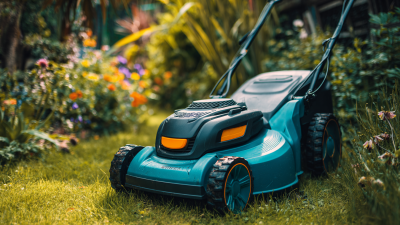
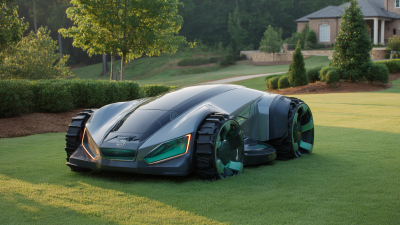
The rising popularity of Robotic Lawnmowers has transformed lawn care. According to the International Lawn and Garden Research Association, the market for these devices is projected to grow by over 15% annually. This growth reflects a growing demand for automation in maintaining gardens, driven by busy lifestyles and a desire for pristine landscapes.
Industry expert Dr. Emily Hartman states, "Choosing the right Robotic Lawnmower can significantly enhance the efficiency of lawn management." She emphasizes that various factors must be considered, such as garden size and terrain type. These details are vital for selecting the best model tailored to individual needs.
Despite advancements, not all Robotic Lawnmowers meet expectations. Some models struggle with complex landscapes or uneven terrain, leading users to question their effectiveness. Research shows that many consumers overlook essential features during the selection process. Addressing these challenges is crucial for maximizing the benefits of your lawn care investment.

Understanding the Basics of Robotic Lawnmowers
Robotic lawnmowers are becoming increasingly popular among garden enthusiasts. Understanding their basic features helps in making an informed choice. These devices use sensors to navigate your yard. They can trim grass automatically, saving you a lot of time and effort. Some models can work in various weather conditions. However, not all robotic mowers are created equal.
When selecting a robotic lawnmower, consider your garden size and layout. A small yard might need a basic model, while larger gardens often require advanced navigation features. Battery life is crucial too. Some mowers may struggle with long grass or complex terrains. Be cautious; not all mowers can handle steep slopes effectively.
Installation can also be a challenge. Some units require boundary wires, which can be tricky to lay out. If you're not tech-savvy, this might seem daunting. Many users report having to adjust settings for optimal performance. This can be frustrating, but it's part of the learning curve. Remember, not every mower will suit your specific needs, so take your time in evaluating your options.
Key Features to Consider in Robotic Lawnmowers
When selecting a robotic lawnmower, several key features should be considered. One of the most important aspects is the cutting system. Most robotic models come with either rotary or reel cutting systems. According to a recent industry report, approximately 70% of homeowners prefer rotary systems for their effectiveness on uneven terrains. This choice can greatly impact your lawn's health and aesthetics.
Battery life is another crucial feature. Many robotic mowers operate on lithium-ion batteries, which are more efficient and have a longer lifespan. Research indicates that models with a runtime of over 90 minutes can handle larger lawns up to half an acre. However, some users find that even high-end models may struggle with steep inclines. It’s essential to review user experiences to gauge overall reliability in varying conditions.
Smart technology integration is becoming a standard. Most advanced robotic mowers now connect to smartphone apps. This allows homeowners to schedule mowing times or adjust settings remotely. Yet, some users report connectivity issues, questioning the reliability of such features. Selecting a model with robust customer support can help address these concerns effectively.
Comparing Different Types of Robotic Lawnmowers
When choosing a robotic lawnmower, it’s essential to compare different types to find the best fit for your garden. There are two primary categories: boundary wire mowers and GPS-guided models. Boundary wire mowers use a physical wire installed around your garden. They are reliable and effective for simple layouts. However, installing this wire can sometimes be tedious and may require adjustments.
On the other hand, GPS-guided robotic mowers rely on satellite technology. They navigate without needing boundary wires. These models often handle complex garden shapes well, making them suitable for larger yards. Still, they can be more expensive and may need software updates. Potential buyers should also consider battery life and cutting height adjustment features. Mowers with shorter battery lives might struggle with larger lawns.
Sometimes, users may face challenges when integrating these mowers into their gardens. Obstacles like garden furniture or trees can confuse the navigation system. Thus, testing the mower in different conditions is crucial. This trial can reveal both strengths and weaknesses, helping you make an informed decision.
Assessing Your Garden Size and Terrain
Assessing your garden size and terrain is crucial when selecting a robotic lawnmower. The dimensions of your lawn influence the mower's capabilities. A small, flat lawn may require less advanced features than a vast, irregular garden. Evaluating how the terrain can affect the mower's efficiency is essential.
Slopes, flower beds, and obstacles can pose challenges.
Tip: Map your garden layout. Take note of slopes and edges. This will help in choosing the right mower with sufficient power and cutting width. For complex terrains, look for models with navigation systems that can adapt to various landscapes.
Consider the garden size. A larger area might benefit from a mower with longer battery life and cutting duration. A smaller mower may struggle with dense grass or uneven ground. Choosing the right size can prevent overworking the machine and ensure a clean cut each time.
Tip: Measure not just the area but also the types of grass and plants. Some mowers perform better with certain grass types. Additionally, think about maintenance. If your garden features many nooks and crannies, it’s worth checking reviews or forums to see how different models perform in similar conditions.
Exploring Smart Technology and Connectivity Options
When choosing a robotic lawnmower, connectivity features greatly enhance the user experience. Smart technology allows for seamless operation with your smartphone. Many models offer smartphone apps that let you control the mower remotely. You can start, stop, or schedule cuts right from your pocket. This convenient feature is perfect for busy lifestyles.
Tips: Check if the mower supports both Android and iOS apps. Compatibility can make a big difference.
Additionally, look for models that integrate with smart home systems. Some robotic mowers can connect to voice assistants. Imagine controlling your lawnmower with just your voice. This adds a layer of convenience and accessibility. However, make sure the connection is stable in your area.
Tips: Research how easy it is to set up these smart features. Sometimes, installation can be complex and frustrating. Understanding the setup beforehand saves time. Evaluate how responsive the app is to your commands. A slow or glitchy app can be annoying.
Remember, while smart features are beneficial, they shouldn't overshadow the mower's core functionalities. Grasping the balance between technology and performance is essential. Don't overlook customer reviews to assess reliability.
Comparing Robotic Lawnmower Features
Evaluating Budget and Long-term Maintenance Costs
When considering a robotic lawnmower, budget is a crucial factor. The initial cost can vary significantly, often influenced by features and technology. While it might be tempting to go for the cheapest option, remember that price often reflects quality and durability. Investing a bit more in a reliable model might save you money in the long run.
Long-term maintenance costs are equally important. Routine maintenance can include blade replacement and battery servicing. These costs can accumulate over time, impacting your overall expenditure. Some models require more frequent maintenance than others. It’s wise to research these aspects before making a purchase. You may also find that some mowers have specific quirks that make upkeep challenging.
Evaluating the warranty is another step often overlooked. A strong warranty can provide peace of mind. However, consider whether it truly covers essential parts. Sometimes, extensive warranties come with conditions that are hard to meet. As you explore your options, reflect on your specific yard size and grass type. Will a high-end mower be overkill? Evaluating these details can guide you to a more suitable, cost-effective choice.
Reading Reviews and Ratings from Other Users
When selecting a robotic lawnmower, reviews and ratings from fellow users can be invaluable. Many homeowners share their experiences online. This first-hand feedback offers insights into performance, usability, and reliability. Look for users who have similar lawn sizes and terrains. Their feedback can help you gauge how well a mower will meet your needs.
Reading through various reviews can reveal common issues. Some mowers might struggle with uneven terrain or obstacles. It's crucial to notice patterns in these comments. Additionally, pay attention to the frequency of repairs or replacements. User ratings can highlight the best and worst features of a product. A high rating with numerous positive reviews often indicates reliable performance.
Consider both positive and negative reviews. A product with a few critical comments might still be a suitable choice. Investigating users’ detailed accounts can guide your decision. Some might love their mow's quiet operation but find the app confusing. These insights help you weigh your options before making a purchase. Your ideal robot mower should align with your specific lawn care needs.
FAQS
: The two main types are boundary wire mowers and GPS-guided models.
They use a physical wire around the garden for navigation.
They navigate without wires and handle complex shapes well.
Lawn dimensions impact the mower's effectiveness and battery life.
Look for models with adaptable navigation systems and cutting height adjustments.
Obstacles like furniture or trees may confuse the mower's navigation.
Map your garden layout and note slopes or edges to guide your choice.
Some mowers perform better on specific grass types; research is helpful.
If the garden is complex, check reviews to see how models perform.
Yes, shorter battery life mowers may struggle with larger or denser lawns.
Conclusion
Choosing the best robotic lawnmower for your garden involves understanding its fundamentals and identifying key features that suit your specific needs. When comparing different types of robotic lawnmowers, it's essential to consider factors like your garden size and terrain, as these elements can significantly affect the mower's performance. Additionally, the integration of smart technology and connectivity options can enhance usability, allowing for remote management and scheduling.
Budget is another critical factor, as it influences the initial purchase and long-term maintenance costs. Evaluating the user reviews and ratings can provide valuable insights into the reliability and efficiency of various models. By carefully assessing these aspects, you can select a robotic lawnmower that not only fits your garden but also meets your expectations in terms of functionality and value.