

Power saws have become essential tools in modern interior construction. From residential remodeling to commercial fit-outs, contractors rely on different types of power saws to improve cutting accuracy, reduce labor time, and increase installation efficiency. As interior construction projects continue to demand faster turnaround and cleaner finishes, the role of professional-grade cutting tools becomes even more important.
According to industry estimates, cordless power tool adoption in construction surpassed 65% globally in 2025, with interior renovation contractors representing one of the fastest-growing user groups. Compact size, portability, and brushless motor technology have significantly expanded the applications of power saws indoors.
Below are the top 10 power saw applications in interior construction and why these tools are critical on modern job sites.
1. Flooring Installation
Flooring contractors use power saws daily for cutting laminate, hardwood, engineered wood, and vinyl planks. Accurate cuts are essential for achieving tight seams and professional finishes.
Commonly Used Saws:
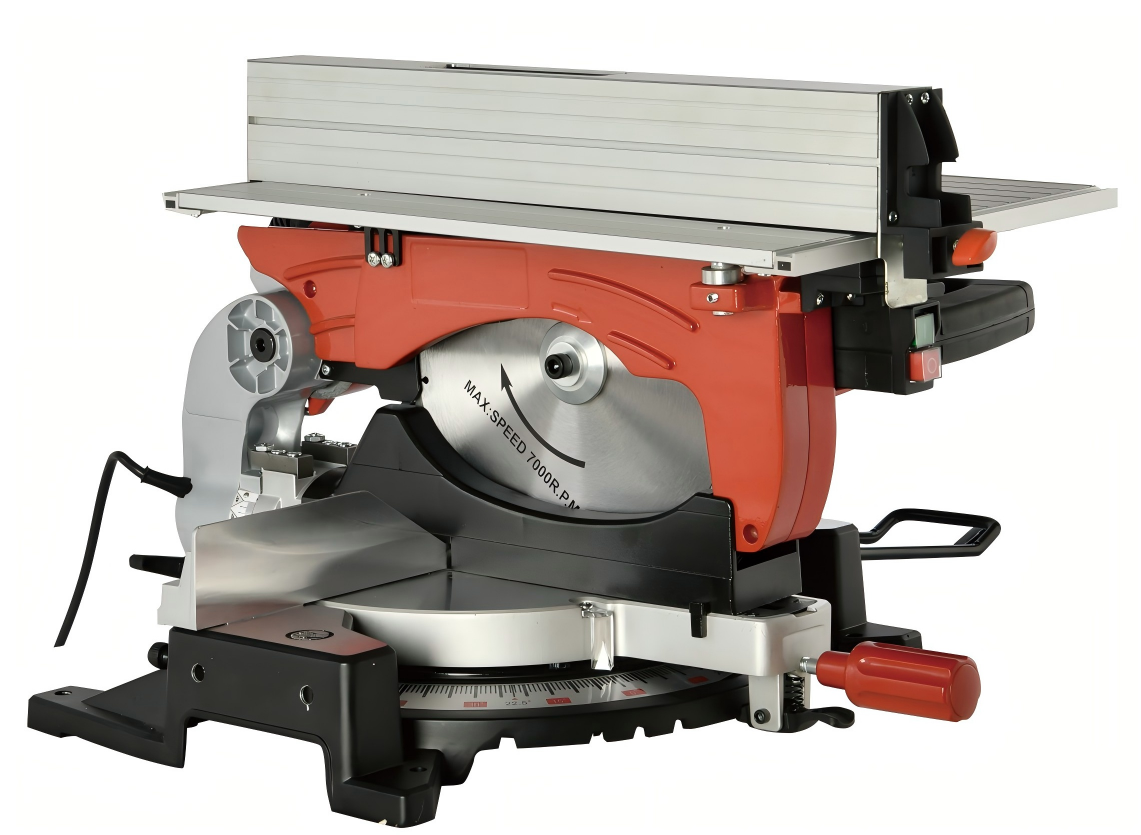
- Miter saw
- Circular saw
- Jigsaw
Miter saws are especially valuable for repetitive angle cuts during trim and flooring transitions. Circular saws handle long rip cuts efficiently, while jigsaws help around vents, corners, and irregular layouts.
Professional installers report that cordless miter saws can reduce installation time by nearly 20% compared to manual cutting methods.
2. Drywall Cutting and Remodeling
Interior remodeling projects often require cutting drywall for outlets, HVAC openings, lighting fixtures, and wall modifications.
Commonly Used Saws:
- Oscillating multi-tool
- Drywall saw
- Reciprocating saw
Oscillating tools are preferred for precision plunge cuts without damaging surrounding surfaces. During demolition work, reciprocating saws quickly cut through drywall, wood studs, screws, and even metal framing.
In renovation projects, speed matters. Contractors frequently choose reciprocating saws because they can perform demolition work up to three times faster than hand tools.
3. Trim and Molding Installation
Interior finishing work depends heavily on clean angle cuts. Crown molding, baseboards, door casings, and decorative trim all require high cutting precision.
Commonly Used Saws:
- Sliding compound miter saw
A quality miter saw allows installers to create:
- 45-degree corner joints
- Compound angles
- Long bevel cuts
Poor trim cuts immediately affect the visual quality of a room, which is why finish carpenters invest heavily in precision saw systems.
4. Cabinet Installation and Custom Built-Ins
Custom cabinets and wall units require precise panel sizing and smooth edge finishing.
Commonly Used Saws:
- Track saw
- Table saw
- Circular saw
Track saws have become increasingly popular in interior construction because they deliver table-saw-level accuracy while remaining portable. Contractors working in apartments or occupied homes often prefer track saw systems due to lower dust generation and easier transportation.
The demand for custom storage solutions has grown rapidly in urban residential construction, increasing the need for precision cutting tools.
5. Door and Window Fitting
Interior doors often need trimming to match flooring height or uneven framing conditions.
Commonly Used Saws:
- Circular saw
- Track saw
- Jigsaw
Professional installers use guide rails to maintain straight cuts while preventing veneer splintering. Jigsaws are useful when modifying hinge areas or cutting curved openings.
Even small cutting inaccuracies can lead to improper door alignment, air gaps, or hardware problems.
6. Interior Demolition Work
Before renovation begins, contractors frequently remove:
- Old cabinetry
- Wooden framing
- Wall panels
- Flooring materials
Commonly Used Saws:
- Reciprocating saw
- Circular saw
Reciprocating saws dominate demolition work because they can cut mixed materials rapidly. Bi-metal blades allow users to cut through nails, pipes, drywall, and wood without switching tools repeatedly.
In large remodeling projects, demolition efficiency directly impacts labor costs and project schedules.
7. Wood Framing for Interior Partitions
Commercial and residential interior construction often includes non-load-bearing partition walls.
Commonly Used Saws:
- Circular saw
- Miter saw
Framing crews use circular saws for rapid lumber cutting and miter saws for repetitive stud sizing. Cordless framing saws are especially common on renovation sites where electrical access may be limited.
Brushless motors now provide enough torque to handle thick framing lumber while extending battery runtime.
8. Staircase and Handrail Construction
Custom stair systems require detailed cutting accuracy to ensure structural consistency and visual symmetry.
Commonly Used Saws:
- Miter saw
- Jigsaw
- Band saw
Stair builders frequently perform compound-angle cuts for railings, balusters, and stair treads. Small measurement errors become highly visible in staircase installations, making cutting precision critical.
High-end residential projects often demand handcrafted wood staircases, increasing the need for advanced saw capabilities.
9. Ceiling and Decorative Panel Installation
Modern interiors increasingly use:
- Acoustic panels
- Decorative wood slats
- PVC ceiling systems
- Wall feature panels
Commonly Used Saws:
- Track saw
- Circular saw
- Oscillating tool
Decorative installations require clean edges and minimal surface damage. Fine-tooth blades help reduce chipping on laminated or veneered materials.
Interior designers increasingly specify custom wall features, creating additional demand for precision power saw applications.
10. HVAC, Plumbing, and Electrical Access Cutting
Interior contractors regularly cut access openings for:
- Pipes
- Ventilation ducts
- Electrical boxes
- Recessed lighting
Commonly Used Saws:
- Oscillating multi-tool
- Jigsaw
- Reciprocating saw
Compact cutting tools are essential in confined spaces where larger saws cannot operate safely. Oscillating tools are especially effective because they allow controlled cutting with minimal vibration.
In multi-trade construction environments, flexible cutting tools help reduce installation conflicts and rework.
The Growing Role of Cordless Power Saws
One of the biggest shifts in interior construction is the rapid transition toward cordless platforms.
Leading manufacturers such as DeWalt, Milwaukee, Makita, and Bosch now offer professional cordless saw systems capable of matching corded performance.
Key advantages include:
- Greater mobility
- Faster setup
- Reduced trip hazards
- Improved safety
- Better access in tight interiors
Industry analysts expect the global cordless power tool market to continue growing at over 8% annually through 2030, driven largely by renovation and remodeling demand.
Final Thoughts
Power saws are no longer limited to rough construction work. In modern interior construction, they play a central role in precision finishing, remodeling efficiency, and custom installation work.
From flooring and drywall to cabinetry and decorative paneling, selecting the correct saw directly affects project speed, finish quality, and labor efficiency. As cordless technology, dust control systems, and brushless motors continue to improve, power saw applications inside residential and commercial interiors will expand even further.
For contractors, carpenters, and renovation professionals, investing in the right power saw setup is no longer optional—it is a core part of staying competitive in today’s construction market.
Post time: May-12-2026