0%

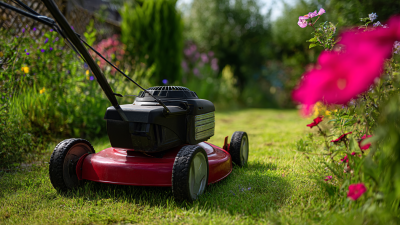
When you're trying to keep that lawn nice and green, the gasoline you use in your lawn mower really makes a difference. According to the Outdoor Power Equipment Institute (OPEI), about 66% of Americans say they care a lot about lawn care. But here’s the thing—what kind of gasoline you fill up with can actually affect how well your mower runs and even how eco-friendly it is. Picking the right fuel can help your mower run smoother and last longer, so it’s totally worth paying attention to.

Research from the Engine Manufacturers Association shows that using high-quality gasoline can give your engine more power and make it more dependable. When you choose good gasoline, you’re also less likely to run into problems like engine knocking or poor fuel combustion. Sadly, a lot of people don’t really think much about what kind of gasoline they’re using, and that can lead to your mower not performing its best and ending up costing you more in repairs down the line.

So, it’s really worth taking a moment to think about what kind of gasoline you’re putting in your mower. Going for cheap, low-quality fuel can make mowing less enjoyable and mess with how your lawn looks. Knowing your options and making smarter choices isn’t just about getting the job done today – it’s about keeping your mower healthy and your lawn happy long-term.

Top 5 Lawn Mower Gasoline Options for Optimal Performance?

Understanding Lawn Mower Gasoline Requirements for Optimal Performance

Top 5 Lawn Mower Gasoline Options for Optimal Performance?

Understanding lawn mower gasoline requirements is crucial for maintaining optimal performance. The type of gasoline you use can greatly affect the efficiency of your lawn mower. Many mowers recommend using unleaded gasoline with an octane rating of 87 or higher. It's important to check your mower's manual for specific requirements.

Using fresh gasoline is essential. Gasoline can degrade over time, leading to poor engine performance and difficult starts. Ideally, use fuel that is less than 30 days old. If you have leftover gasoline, consider using a fuel stabilizer to prolong its life. This can help prevent build-up in your fuel system. Additionally, remember to avoid mixing different types of gasoline.

Fuel quality is another aspect to consider. Low-quality gasoline can cause knocking, reduced power, and increased emissions. Consider purchasing fuel from reputable sources. If you're uncertain about the quality of your gasoline, testing it can provide insights. Always remain mindful of your mower’s needs and adjust accordingly.

Types of Gasoline Suitable for Lawn Mowers: A Comparison

Choosing the right gasoline for your lawn mower is crucial. Different types of gasoline can affect performance and longevity. Understanding these options is essential for optimal operation.

Regular unleaded gasoline is commonly used in many lawn mowers. It typically has an octane rating of 87. This type offers good performance, but it can lead to carbon buildup over time. It's crucial to use fresh fuel, as old gasoline can cause starting issues. Regular maintenance like cleaning the carburetor is essential.

Mid-grade gasoline, with an octane rating of 89, can provide better performance. It burns cleaner, reducing frustrating deposits. However, it’s often pricier for minimal benefits in many scenarios. High-octane premium gasoline can enhance power for high-performance mowers. Yet, it's not always necessary for standard models. Users sometimes feel uncertain about which type is best for their specific lawn mowers. Balancing cost, performance, and maintenance can lead to better choices.

Factors Affecting Lawn Mower Performance with Different Gasoline Types

When selecting gasoline for lawn mowers, several factors can impact performance. One critical aspect is the octane rating. Gasoline with higher octane can prevent knocking in engines, particularly in high-performance models. According to a study by the American Society of Agronomy, using the appropriate octane level boosts engine efficiency by about 4-5%. This translates to improved power output and reduced emissions.

Another factor is the presence of ethanol in gasoline. Most small engines, including those in lawn mowers, are not designed for high ethanol content. Studies indicate that ethanol can cause corrosion and lead to fuel issues. A report by the Outdoor Power Equipment Institute states that mowers using ethanol-free fuel generally see longer engine life and better starting performance. Fuel cleanliness matters, too. Contaminated fuel leads to deposits that hinder performance.

Regular maintenance also plays a role. Clean fuel filters and properly tuned engines help optimize performance. However, many users overlook these aspects. A report from the Engine Manufacturers Association highlights that simple preventative measures can yield a 15% increase in performance. Ignoring these maintenance tasks leads to decreased efficiency and frustration during mowing season.

Benefits of Using High-Octane Gasoline for Lawn Mowers

Using high-octane gasoline in lawn mowers offers several benefits for optimal performance. High-octane fuel burns more completely, leading to cleaner combustion. This can result in better engine efficiency and fewer emissions. Additionally, it minimizes the risk of knocking, ensuring a smoother operation. Mowers equipped with more powerful engines significantly benefit from this fuel choice.

Tips: Ensure your mower’s engine type is compatible with high-octane fuel. Check the owner’s manual for specifications. Regularly cleaning the fuel filter can enhance fuel flow and performance.

Another advantage of high-octane gasoline is its resistance to vapor lock in warmer temperatures. This can be crucial during hot summer months when mowers are in constant use. Less vapor lock means fewer start-up issues and more reliability during your lawn care routine.

Tips: Store gasoline in a cool, dry place to maintain its quality. Consider using fuel stabilizers if you're not using the mower regularly. It's worth noting that while high-octane fuel has its advantages, some lawn mower engines may not show a noticeable difference in performance.

Top 5 Lawn Mower Gasoline Options for Optimal Performance

Gasoline Type Octane Rating Performance Benefits Recommended for
Regular Unleaded 87 Good for standard engines; cost-effective General lawn mowing
Mid-Grade 89 Improved fuel efficiency; less engine knocking Older or performance-oriented engines
Premium 91-93 Enhanced performance; smoother engine operation High-performance lawn mowers
Ethanol-Free Gasoline Varies Reduced risk of engine damage; longer storage life Long-term storage or specialty engines
High-Octane Racing Fuel 100+ Maximum performance; reduces detonation High-end racing mowers

Impact of Ethanol Content in Gasoline on Lawn Mower Efficiency

The ethanol content in gasoline significantly affects lawn mower efficiency. Many consumers overlook this detail when refueling. Ethanol, often mixed in with fuel, can impact engine performance. For instance, high-ethanol blends may lead to increased moisture absorption. This moisture can cause corrosion in the fuel system.

Most small engines perform optimally with gasoline containing 10% ethanol or less. Higher levels can create problems, such as poor combustion and reduced power. Many users report sluggish performance when using higher ethanol content. This is especially true in older models, which were not designed for such fuels. A careful selection of gasoline can enhance mowing performance.

Regular maintenance is also essential. Fuel filters should be checked frequently. Contaminated fuel can lead to engine stalling and other issues. Users must also be aware of local fuel quality. Inconsistent gasoline supply can lead to varying ethanol levels. Each choice made at the pump impacts the mower's longevity and efficiency. It's crucial to reflect on these aspects to ensure a well-performing lawn mower.

Storing and Managing Lawn Mower Fuel: Best Practices

Top 5 Lawn Mower Gasoline Options for Optimal Performance?

When it comes to lawn mower fuel, proper storage and management are crucial. Gasoline can degrade over time, leading to performance issues. Using fuel stabilizers can extend the life of your gasoline. However, remember that not all stabilizers are created equal. Researching the right type for your mower is important.

Tips: Store gasoline in a cool, dry place. This prevents evaporation and oxidation. Always use airtight containers to minimize exposure to air. Labeling them with the purchase date can help track freshness.

Regularly check your fuel for any signs of water or contaminants. This can often happen if the fuel is stored for too long. If you notice a change in color or smell, it might be time to dispose of it safely. This way, you can be confident that your mower will perform optimally. Be aware that even small amounts of old fuel can cause starting issues.

Tips: Always handle gasoline responsibly. Keep it away from heat sources. Consider setting reminders to check your fuel levels and replace when necessary. Routine maintenance not only helps your mower but also extends its lifespan.

Signs of Poor Gasoline Quality in Lawn Mowers: How to Identify

Lawn mowers rely heavily on gasoline quality for optimal performance. Poor gasoline can lead to various issues, affecting both the engine and cutting efficiency. One of the most common signs of low-quality fuel is engine knocking or pinging. This indicates that the fuel is not igniting properly, which can cause significant wear over time.

Another warning sign is difficulty starting the mower. If you find yourself pulling the starter cord multiple times, the gasoline may have degraded. A cloudy or murky appearance in fuel is also a clear indicator of contamination. Such fuel can lead to blockages in the carburetor, resulting in costly repairs. According to a recent industry report, nearly 30% of lawn mower repairs are due to fuel-related issues.

Tips: Always store gasoline in a clean, dry container to prevent contamination. Consider using fuel stabilizers to prolong shelf life. Regularly inspect the fuel for any discoloration or sediment. Fuel with higher octane levels may provide better performance, reducing engine knocking and increasing efficiency. Test different gasoline options to find the one that best suits your mower’s needs.

Maximizing Lawn Care Efficiency: Insights from Market Trends on Gasoline 520m Self-Propelled Lawn Mowers

In recent years, the demand for efficient lawn care equipment has surged, particularly for gasoline-powered self-propelled mowers. The market trends indicate a robust preference for models that incorporate advanced features such as 4-stroke engines, height-adjustable handles, and high-torque performance. Specifically, a 520m self-propelled lawn mower, powered by a gasoline engine with an engine displacement of 225cc, perfectly exemplifies the evolving standards in lawn care technology. This model offers an adjustable cutting height ranging from 30mm to 120mm, allowing users to customize their mowing experience according to the specific needs of their lawn.

Moreover, industry reports highlight that self-propelled mowers significantly reduce user effort while maintaining optimum performance, with forward speeds of up to 4.7 km/h. The combination of a high-capacity 4-cylinder engine and efficient fuel utilization underlines the importance of innovation in manufacturing processes. From a power perspective, these mowers operate at 1500 W, showcasing their capability to handle various terrain types, making them an ideal choice for both residential and industrial applications.

As consumers become more conscious of efficiency and performance, tailored solutions such as OEM and ODM support have increased in demand. Understanding market trends allows manufacturers to adapt their offerings, ensuring that they meet the rising expectations of lawn care enthusiasts. By focusing on powerful petrol/gasoline engines and ergonomically designed features, businesses can effectively position themselves in a competitive landscape that prioritizes efficiency and utility.

FAQS

: What factors affect lawn mower performance?

: Octane rating, ethanol content, fuel cleanliness, and maintenance all impact performance.

How does octane rating influence engine efficiency?

Higher octane fuels can prevent knocking, boosting efficiency by 4-5%.

Why is ethanol content a concern for lawn mowers?

Ethanol can cause corrosion and fuel issues, affecting engine life.

What maintenance can improve lawn mower performance?

Regularly cleaning fuel filters and tuning engines can enhance efficiency.

What are signs of poor gasoline quality?

Engine knocking, difficulty starting, and cloudy fuel are common signs.

How can I prevent fuel contamination?

Store gasoline in a clean, dry container and regularly inspect for discoloration.

What advantage does high-octane fuel offer?

It burns more completely, leading to cleaner combustion and fewer emissions.

Does high-octane fuel benefit all lawn mowers?

Not all mowers show noticeable performance differences with high-octane fuel.

How can vapor lock affect my lawn mower?

Vapor lock can cause start-up issues, especially in hot weather.

Should I test different gasoline options?

Yes, testing helps find the best fuel type for your mower's needs.

Conclusion

In the pursuit of optimal performance for lawn mowers, choosing the right Lawn Mower Gasoline is crucial. This article explores the specific gasoline requirements necessary for efficient mowing, highlighting a comparison of various gasoline types. Factors influencing lawn mower performance, such as the benefits of high-octane gasoline and the implications of ethanol content, are discussed in detail to help users make informed choices.

Additionally, best practices for storing and managing fuel are emphasized to ensure longevity and reliability in lawn mower operation. Readers can also learn how to identify signs of poor gasoline quality, which can adversely affect the mower's efficiency. By understanding these aspects, lawn mower owners can significantly enhance their equipment's performance and reliability.

Isabella

Isabella

Isabella is a dedicated marketing professional at Hantechn, a reputable supplier of power garden tools and hand tools in China. With over a decade of industry experience, she possesses an in-depth knowledge of the company’s extensive range of customized garden products, which cater to both large......
Previous 2026 How to Choose the Best Leaf Blower for Your Needs?