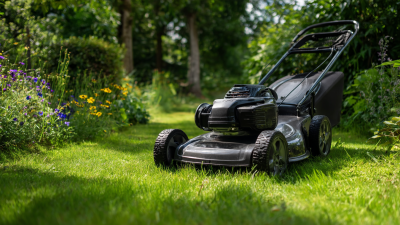
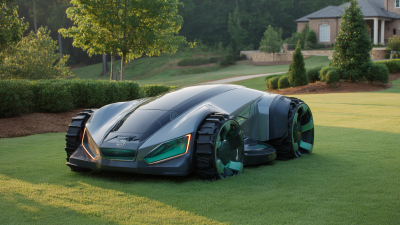
When it comes to maintaining a beautiful lawn or garden, a Grass Cutting Machine is an essential tool that can make the job easier and more efficient. Whether you are a professional landscaper or a homeowner who takes pride in their outdoor space, choosing the right grass cutting machine can significantly impact the quality of your lawn care routine. With numerous options available on the market, understanding the different types of grass cutting machines and their features will help you make an informed decision based on your specific needs.
In this guide, we will explore what a grass cutting machine is, the various types available, and crucial factors to consider when selecting the best one for your yard. From traditional push mowers to advanced robotic models, each option comes with its advantages and limitations. By evaluating elements such as yard size, terrain, and budget, you can pinpoint the most suitable grass cutting machine that aligns with your requirements. Whether you are looking for efficiency, ease of use, or eco-friendliness, this comprehensive overview aims to equip you with the knowledge to enhance your lawn care experience.
A grass cutting machine, commonly referred to as a lawn mower, is an essential tool for maintaining a healthy and aesthetically pleasing lawn. These machines are designed to trim grass at a uniform height, promoting proper growth while ensuring that the lawn remains tidy and well-kept. The primary components of a grass cutting machine include the blade, which cuts the grass, and a propulsion system, which can be manual or powered by electricity, gas, or batteries. According to the Lawn Institute, a professional lawn care organization, mowing is a critical aspect of lawn maintenance, as it can influence grass health, reduce weed proliferation, and enhance overall yard aesthetics.
The choice of a grass cutting machine depends on various factors, including the size of the lawn, the type of grass, and the user's physical capabilities. For instance, a report from the American Society of Landscape Architects highlights that homeowners with larger lawns may prefer riding mowers for efficiency, while smaller yard owners might find push mowers or electric options more practical. Additionally, advancements in technology have led to the emergence of robotic mowers, which can autonomously navigate and trim grass, making lawn care even more convenient. Understanding the specific characteristics and requirements of one’s lawn is vital for selecting the most suitable grass cutting machine to ensure optimal maintenance and long-term health of the grass.
When it comes to maintaining a well-manicured lawn, understanding the various types of grass cutting machines available on the market is essential for making an informed choice. The primary categories include rotary mowers, reel mowers, and robotic mowers, each tailored for different user needs. Rotary mowers, which are the most common, utilize a rotating blade to cut grass, making them suitable for a variety of grass types and lawn conditions. According to industry reports, rotary mowers are often recommended for their efficiency in larger yards, where versatility and speed are paramount.
Reel mowers, on the other hand, are more manual and require a bit more physical effort, as they employ a scissor-like action to cut the grass. These mowers are ideal for those who have smaller, flat lawns and prioritize eco-friendly options, as they operate without fuel or electricity. The Landscaper’s Association notes that reel mowers can improve lawn health by providing a clean cut without tearing the grass blades. Lastly, robotic mowers are becoming increasingly popular due to their automated functions, allowing for scheduled mowing without human intervention. As per recent data, the demand for robotic mowers has surged by 15% annually, reflecting a growing trend towards convenience in lawn care.
When selecting a grass cutting machine, it's important to consider factors such as lawn size, grass type, and personal preferences regarding effort and maintenance. With multiple options available, understanding these categories will help users select the best machine to meet their landscape needs effectively.
When it comes to choosing a grass cutting machine, several key features should guide your decision to ensure you select the best option for your needs. First and foremost, consider the type of terrain you will be mowing. If your lawn features uneven ground or obstacles like trees and flower beds, a machine with enhanced maneuverability, such as a walk-behind mower or a riding mower with a zero-turn radius, may be best suited for you. Additionally, evaluate the cutting width. A wider cutting deck allows you to cover more area in less time, while a smaller deck provides better access to tight spaces.
Next, pay attention to the power source of the grass cutter. Electric models are typically quieter and require less maintenance, whereas gas-powered options tend to offer more power and longer run times, making them ideal for larger lawns. Battery-operated mowers can provide a good compromise between the two, offering the convenience of cordless operation without the noise of gas engines. Furthermore, look for adjustable cutting heights, as this feature enables you to customize the length of the grass cut, promoting a healthier lawn. Finally, consider the weight and ease of use, as a heavier machine may provide a more stable cut but can be challenging to maneuver, especially on sloped areas. By carefully evaluating these features, you can choose a grass cutting machine that meets both your functional requirements and personal preferences.
| Feature | Description | Importance |
|---|---|---|
| Type | Different types include push, self-propelled, and riding mowers. | Choose based on the size of your lawn and physical ability. |
| Cutting Width | Refers to the width of the blade. Common sizes range from 14" to 30". | A wider cutting width means fewer passes needed. |
| Power Source | Options include gas, electric, and battery-powered models. | Impacts convenience and maintenance level. |
| Weight | Heavier machines can handle tough grass but may be difficult to maneuver. | Consider your comfort and the terrains you’ll navigate. |
| Height Adjustment | Allows you to adjust cutting height for different grass types. | Essential for maintaining healthy grass. |
When selecting a grass cutting machine, it's essential to assess your lawn size and the type of grass you maintain. According to a report by the Turfgrass Council, lawn sizes in average residential areas typically range from 1,000 to 10,000 square feet, which can drastically influence the type of equipment needed. For smaller lawns, electric mowers or reel mowers may suffice, while larger areas could require gas-powered mowers for efficiency and time-saving.
Evaluating the grass type is equally crucial. Different species, such as Kentucky bluegrass, Bermuda, or Zoysia, have varying growth rates and cutting preferences. For instance, fast-growing grasses like Bermuda may necessitate more frequent cuts, while slower-growing varieties can tolerate longer intervals between mowing. Therefore, understanding your specific grass type will help you choose a machine with appropriate cutting height adjustments and blade designs.
Tips:
1. Measure your lawn area accurately using a tape measure or a lawn area calculator to determine the right mower size.
2. Research the grass type planted in your lawn and read up on its maintenance requirements to ensure your mower can handle its specific cutting needs.
3. Consider the terrain of your yard; hilly or uneven landscapes may require a self-propelled mower for easier handling.
By taking these factors into account, you’ll be well-prepared to select a grass cutting machine that best fits your lawn's specific needs.
When selecting a grass cutting machine, one of the most critical factors to consider is the power source, as it greatly influences performance, convenience, and maintenance. Gas-powered machines are known for their robust power, making them ideal for larger lawns or tougher terrain. They can operate for extended periods without requiring a recharge, which is advantageous for extensive cutting tasks. However, gas mowers tend to be heavier and may require more maintenance, including fuel mixing and regular oil changes.
On the other hand, electric grass cutting machines are becoming increasingly popular due to their ease of use and low environmental impact. They are generally lighter and quieter than their gas counterparts, making them perfect for residential areas where noise can be a concern. Electric models come in two variations: corded and battery-operated. Corded mowers are suitable for small to medium-sized yards with accessible power outlets, while battery-operated ones offer the freedom to roam without the hassle of cords, though they may have a limited runtime and require recharging after use.
For those preferring a more traditional approach, manual push mowers present a unique alternative. These machines do not rely on gas or electricity and are environmentally friendly, promoting a quieter yard maintenance experience. They require more physical effort, but they can be particularly efficient for smaller lawns and are an excellent choice for those who enjoy a workout while tending to their garden. Ultimately, the best power source depends on your specific lawn care needs, the size of your yard, and your personal preferences.
Budgeting for a grass cutting machine purchase is a crucial step that can significantly impact both the quality of your lawn care and your wallet. According to industry reports, the average cost of residential lawn mowers ranges from $200 to $1,200, with premium models exceeding this range. Factors influencing the price include the type of machine—ranging from push mowers to riding mowers—as well as additional features such as self-propulsion, mulching capabilities, and fuel type. Understanding where you stand financially can guide you toward the right model that meets your needs without breaking the bank.
Furthermore, it's essential to consider the long-term maintenance costs associated with your purchase. The Outdoor Power Equipment Institute estimates that homeowners should allocate 10-15% of the initial purchase price annually for maintenance and repairs. This figure emphasizes the importance of investing in a reliable machine that may have a higher initial cost but lower long-term expenses. Additionally, factoring in other costs such as fuel, oil, and blade sharpening can help create a more comprehensive budget plan. By thoroughly analyzing these factors, you can ensure you make an informed decision that balances your budget with your lawn care goals.
Maintaining a grass cutting machine is crucial for ensuring its efficiency and longevity. Regular upkeep can not only extend the lifespan of your equipment but also enhance its performance. According to the American Lawn Mower Association, a well-maintained lawn mower can last up to 15 years or more, compared to an average of 6-8 years for those that are neglected.
One of the most important aspects of maintenance is sharpening the blades. Dull blades can tear grass rather than slice it, leading to a jagged appearance that may invite disease. It is recommended to sharpen the blades every 20-25 hours of use. Additionally, keeping the mowing deck clean will prevent clumping and will aid in achieving a more consistent cut. Use a brush or hose to remove grass clippings and debris after each use.
Another vital tip is to check and change the oil regularly. Many machines require an oil change every 50 hours of use, yet studies show that neglecting this step can lead to reduced performance and engine failure. Always use the manufacturer-recommended oil type and ensure the air filter is clean to promote better airflow. Checking the spark plug condition is also essential; replacing it annually can lead to smoother starts and improved efficiency. Implementing these maintenance strategies will not only keep your grass cutter in top shape but also enhance the quality of your lawn.
The chart above illustrates the performance metrics for grass cutting machines, including cutting speed, fuel efficiency, weight, and noise level. These factors are crucial in determining the best grass cutting machine for your needs, ensuring effective maintenance and efficient operation.
: A grass cutting machine, commonly known as a lawn mower, is a tool designed to trim grass at a uniform height, promoting growth and ensuring a tidy lawn. It typically includes a blade for cutting and a propulsion system that can be manual or powered by electricity, gas, or batteries.
When selecting a grass cutting machine, consider the size of your lawn, the type of grass, and your physical capabilities. Larger lawns may benefit from riding mowers while smaller ones may be more suited to push mowers or electric options.
The primary types of grass cutting machines include rotary mowers, reel mowers, and robotic mowers. Rotary mowers use a rotating blade and are versatile for various grass types, reel mowers use a scissor-like action and are eco-friendly for smaller lawns, while robotic mowers automate the mowing process.
To assess your lawn size, measure the area accurately with a tape measure or use a lawn area calculator. For grass type, research the species you have, as different grasses have varying cutting preferences and maintenance needs.
Mowing is critical for lawn maintenance as it influences grass health, reduces weed growth, and improves the overall appearance of the yard.
Tips include measuring your lawn area, researching the maintenance requirements of your grass type, and considering the terrain of your yard. For hilly or uneven lawns, a self-propelled mower may be beneficial.
Robotic mowers are automated machines that can navigate and trim grass according to a schedule without human intervention. They offer convenience and have seen increasing demand due to their efficiency.
Different grass types grow at varying rates; fast-growing grasses may require more frequent mowing, while slower-growing varieties can tolerate longer intervals between cuts. Understanding your grass type helps in determining the appropriate mowing schedule.
Reel mowers provide a clean cut without tearing the grass blades, promoting better lawn health, and operate without the use of fuel or electricity, making them an eco-friendly option.
Yes, the terrain plays a significant role in mower selection. Hilly or uneven landscapes may require a self-propelled mower for easier handling, while flat lawns may allow for manual or simpler electric models.
A Grass Cutting Machine is an essential tool for maintaining a neat and tidy lawn. In choosing the best one for your needs, it’s important to understand the different types of grass cutting machines available, such as electric, gas, and manual options. Each type offers distinct advantages depending on your lawn’s size and the type of grass you have.
When selecting a grass cutter, consider key features such as cutting width, height adjustment, and ease of maneuverability. Assessing your lawn size will help determine the appropriate power source, as electric machines are often suitable for smaller areas, while gas cutters may be better for larger lawns. Budgeting is also crucial, as prices vary widely. Lastly, regular maintenance will enhance the efficiency and lifespan of your grass cutting machine, ensuring your lawn stays looking its best.