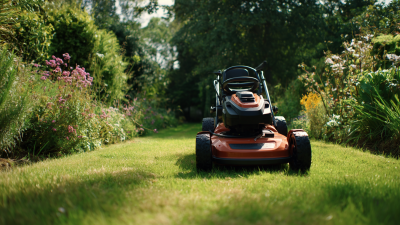
So, the rise of electric lawn mowers really shows how much lawn care tech is shifting these days. I came across some research from Grand View Research, and it says that by 2025, the global market for electric lawn mowers could hit around $1.5 billion. That’s pretty crazy, right? This trend ties into folks becoming more aware of sustainability and noise pollution — I mean, who wants a loud, gas-powered mower making a racket all weekend? Electric mowers are much quieter and eco-friendlier.
They run on rechargeable batteries, which means fewer emissions and lower fuel bills. According to Allied Market Research, switching to electric could even cut down maintenance costs by about 20%. But, of course, it's not all smooth sailing — some people still worry about how long the batteries last and whether they can get the same power as traditional models. Finding that sweet spot between power and efficiency is definitely a bit of a juggling act.
Even though electric mowers are getting more popular, they’re not perfect for everyone. If you’ve got a really big yard or limited access to charging stations, it might be a bit tricky. Switching over means tweaking your lawn care routine a bit. But honestly, moving towards greener options isn’t just good for our lawns — it’s better for the planet too. So, it’s really about figuring out what works for you and doing your part in the bigger picture.
Electric lawn mowers have gained popularity due to their eco-friendly design and efficiency. An electric lawn mower is a device that uses electrical energy to cut grass. Unlike traditional gas mowers, they produce minimal emissions, contributing to cleaner air. According to a research report from Markets and Markets, the electric lawn mower market is anticipated to grow at a CAGR of 7.2% from 2021 to 2026.
These mowers typically operate using either a corded or battery-powered mechanism. Battery models offer mobility but may struggle with larger lawns due to limited runtime. A study published in the Journal of Green Technology highlighted that battery-powered mowers can effectively reduce noise levels significantly, often by over 50%. This quiet operation is favorable for residential areas, yet the need for frequent recharging can be a drawback.
An essential consideration is the difference in cutting power between electric and gas mowers. While electric mowers are sufficient for most average yards, they may lack the power required for dense, rough terrains. Some users report frustration when tackling tall grass. Understanding these nuances is vital for making an informed choice about which mower best suits specific lawn needs.
The journey of electric lawn mowers began in the late 20th century. Initially, lawn care relied heavily on gas-powered machines. These were noisy, polluting, and required regular maintenance. As environmental concerns grew, innovators sought cleaner alternatives. The electric lawn mower emerged as a practical solution, reducing noise and emissions.
In the early days, electric mowers had limitations. Battery life was short, and power output was often inadequate for larger lawns. Technology has significantly improved since then. Modern electric mowers can now handle various terrains and grass types effectively. Their design incorporates lightweight materials, making them easier to maneuver. The focus on user experience has transformed these tools into efficient gardening allies.
Yet, challenges remain. Some users still question the performance of electric mowers in tough conditions. Battery charging time can also be inconvenient. Despite these drawbacks, the electric lawn mower continues to evolve. Ongoing research and development aim to address these issues, reflecting a commitment to sustainability and innovation.
Electric lawn mowers have gained popularity due to their eco-friendliness and ease of use. Understanding the key components helps in choosing and maintaining one. The motor is central to its operation. Typically, it is powered by a rechargeable battery or uses a power cord. A strong motor ensures an efficient cut and allows the mower to handle different grass types.
The cutting deck is another essential part. It houses the blades and controls the mowing height. The size of the deck can affect maneuverability and cutting width. Blade sharpness plays a critical role in performance. Dull blades may lead to uneven cuts and stressed grass. Regular maintenance of these components is crucial but often overlooked.
The wheel system affects stability and movement. Larger wheels provide better traction, making it easier to navigate uneven terrain. However, they can add weight. Experience shows that balanced weight distribution is vital for ease of use. Electric mowers also feature safety mechanisms. These prevent accidental starts and ensure safe operation. It is important for users to understand these components to maximize the mower's lifespan and efficiency.
Electric lawn mowers have revolutionized the way we maintain our lawns. They operate primarily through electric motors, which can be powered by rechargeable batteries or plugged directly into outlets. According to a recent industry report, battery-powered mowers represent about 30% of the market share, reflecting a growing preference for quieter and more environmentally friendly options.
These mowers use sharp rotating blades to efficiently cut grass. The motor powers the blades at high speeds, allowing them to slice through grass with ease. Many modern designs feature adjustable cutting heights, enabling users to customize their lawn's appearance. However, uneven terrain can pose challenges, leading to uneven cuts. Data from landscaping studies show that mowing frequency significantly impacts grass health, suggesting that electric options should be used frequently to maintain optimal lawn conditions.
While electric mowers are generally easier to maintain, they do have limitations. Battery life is a common concern, especially for larger lawns. Users may need to plan their mowing schedule around battery charging times. Additionally, electric mowers are less effective in thick, overgrown grass. In this regard, ongoing research into battery technology and mower design is essential for improving user experience and performance.
| Feature | Description | Advantages | Disadvantages |
|---|---|---|---|
| Power Source | Battery-operated or corded electric | Environmentally friendly and quiet operation | Limited run time (for battery models) and need for a power outlet (for corded models) |
| Cutting Mechanism | Rotating blade system | Efficient and consistent cutting ability | Blades may require regular sharpening |
| Weight | Generally lighter than gas mowers | Easier to maneuver and transport | May not handle tough terrains as effectively |
| Maintenance | Requires minimal maintenance compared to gas mowers | No oil changes or fuel mixing required | Battery replacement may be needed over time |
| Operating Noise | Quieter than gas-powered mowers | Less noise pollution | Can still be noisy at high RPMs |
Electric lawn mowers are growing in popularity for a good reason. They offer many benefits that align with modern gardening needs. One of the most significant advantages is their environmental impact. According to a report by the American Society of Landscape Architects, gas-powered mowers emit 24 million tons of carbon dioxide annually. In contrast, electric mowers produce zero direct emissions, making them a cleaner alternative.
Cost-effectiveness is another notable benefit. A study by the Lawrence Berkeley National Laboratory indicates that using an electric mower can save homeowners up to 50% in fuel costs compared to gas mowers. Additionally, electric mowers require less maintenance, leading to further savings. They typically have fewer moving parts, which means fewer repairs over time. However, it’s essential to acknowledge the limitations. Battery life can sometimes restrict usage, especially for larger lawns. This is an area where electric mowers may need improvement.
Noise pollution is a critical concern as well. Electric mowers operate at a much lower decibel level, making them suitable for residential areas. The U.S. Environmental Protection Agency states that regular gas mowers can register around 95 decibels, while electric alternatives are often around 60-70 decibels. This reduction in noise is a significant benefit for both users and neighbors. Yet, some users report that the power of electric models may not match that of their gas counterparts, especially in tough mowing conditions. This highlights an area for potential evolution in the industry.
Electric lawn mowers are convenient tools for homeowners. Maintaining them properly extends their life and efficiency. Regular maintenance is key.
One of the simplest tips involves checking the battery. Ensure it is charged before each use. A drained battery causes frustration. Cleaning the blades is equally important. Grass buildup can hinder performance. Use a brush to remove clippings after mowing.
Additionally, inspect the wheels and deck. Dirt and debris can accumulate, impacting mobility. A clean mower is a happy mower. If you notice uneven cutting, adjust the blade height. This might seem tedious but is essential for a healthy lawn. Taking these small steps can make a significant difference.
Electric lawn mowers are increasingly popular due to their environmental benefits. Unlike gas mowers, electric models emit zero harmful pollutants. This means cleaner air and less noise, which is beneficial for both people and wildlife. Many electric mowers use rechargeable batteries, reducing dependency on fossil fuels.
However, the production of batteries and electricity raises concerns. Extraction of raw materials for batteries can harm ecosystems. Additionally, if the electricity comes from fossil fuel sources, the overall environmental impact might not be as positive as it seems. This complexity necessitates careful consideration of the entire life cycle of electric mowers.
While electric lawn mowers offer cleaner operation, they are not entirely without drawbacks. Their performance can diminish with battery wear over time. Furthermore, homeowners may need to consider available charging infrastructure. The push for an eco-friendly solution should also encourage ongoing improvements in technology and energy sources.
When it comes to maximizing lawn care efficiency, the importance of adjustable cutting height cannot be overstated. The Hantechn 220V manual lawn mower features six cutting height adjustments ranging from 25mm to 65mm, allowing homeowners to customize their mowing experience according to varying grass types and seasonal growth patterns. This adaptability is crucial, as industry reports indicate that maintaining an appropriate grass height not only enhances lawn appearance but also promotes overall lawn health by encouraging deeper root systems and reducing weed proliferation.
In a comprehensive study, it was found that mowers with versatile cutting height settings enable users to achieve optimal grass length throughout the year, contributing to better moisture retention and resilience against pests. The Hantechn lawn mower’s rated power of 1600W and a no-load speed of 3200/min ensure effective cutting performance, further supporting lawn maintenance efficiency. Additionally, with a cutting width of 40cm and a generous 45L collection bag, users can complete their mowing tasks significantly quicker, reducing the time spent on lawn care and increasing time for leisure activities.
Furthermore, the wheel size—140mm at the front and 170mm at the back—provides excellent maneuverability, which is particularly beneficial for navigating tight corners and uneven terrain. The combination of power, adjustable cutting height, and practical design means that homeowners can achieve a well-groomed lawn with ease, supporting the goals of efficient and effective lawn care.
: Electric lawn mowers use electrical energy to cut grass. They are eco-friendly and efficient.
Electric mowers produce fewer emissions, but may not have the same cutting power in dense grass.
Electric mowers can be corded or battery-powered. Each type has its pros and cons.
Yes, they offer mobility but can struggle with larger lawns due to limited runtime.
Regularly check the battery, clean the blades, and inspect the wheels for dirt and debris.
No, they typically reduce noise levels significantly, often by over 50%, making them suitable for residential areas.
Electric mowers emerged to offer cleaner alternatives to gas machines that were noisy and polluting.
Users often question their performance in tough conditions and may find battery charging times inconvenient.
Clean clippings, adjust blade height, and ensure the battery is charged before use for optimal performance.
Regular maintenance extends the mower’s life and efficiency, leading to a healthier lawn.
An Electric Lawn Mower is a modern gardening tool designed to efficiently trim grass and maintain lawns using electric power instead of traditional gasoline engines. It has evolved over the years, becoming more accessible and efficient due to advancements in technology. Key components of an electric lawn mower include a motor, battery (for cordless models), cutting blades, and a housing that distinguishes it from gas-powered mowers.
Electric lawn mowers operate quietly and with fewer vibrations, making them user-friendly and environmentally friendly. The benefits of using these mowers include lower maintenance requirements, reduced emissions, and the elimination of fuel costs. To ensure longevity, regular maintenance such as blade sharpening and battery care is essential. Overall, the environmental impact of electric lawn mowers is significantly positive, contributing to a greener approach to lawn care compared to traditional gas mowers.