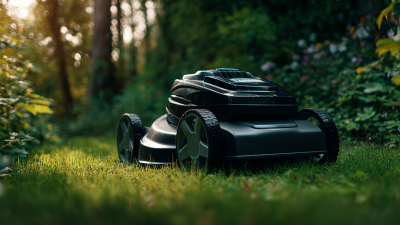
Choosing an electric lawn mower can feel pretty straightforward... until the grass starts growing unevenly, the battery fades faster than expected, or you realize storage space is tighter than you thought. That's where this guide comes in. We're looking at ten leading models, with different yards, budgets, and mowing habits in mind. A compact mower might be just right for a townhouse, while a wider deck can save you some serious time on a bigger lawn. And honestly, the best choice depends on a lot more than the power number on the box.
Our comparisons look at cutting performance, battery runtime, charging time, noise, handling, maintenance, and warranty support. We also dig into practical stuff, like whether the mower can reach under shrubs or how easily the grass bag comes off. Those little things matter on a hot Saturday afternoon. A lot of the time, they matter more than a polished product photo.
Real-world use tends to expose weaknesses. A mower that's great on dry, short grass might struggle after rain. Battery estimates also shift with grass height, slope, blade condition, and how fast you walk. No ranking stays true forever, either. Manufacturers can update batteries, prices, or service policies after publication, so it's worth checking current specs before you buy. Even careful testing has its limits, especially across different climates and lawn types.
This Top 10 Electric Lawn Mowers guide is meant to make that decision a little clearer—not to pretend it's effortless. It mixes manufacturer info with hands-on evaluation and some cautious judgment. You'll find options for quiet suburban mowing, tough weekly maintenance, and occasional weekend use. Some models impress right away. Others need patience, better blade care, or a second battery. And that difference? It could shape your whole mowing routine.

Electric Lawn Mowers: How They Work and Who Needs One
Electric lawn mowers work through a rechargeable battery or a power cable. The battery sends electricity to a motor, which spins the cutting blade. Unlike fuel-powered machines, they produce no direct exhaust during use. They also start with a button, not a pull cord. In my experience, the quieter motor makes early morning mowing less disruptive. However, electric models are not effortless. Wet grass can drain a battery quickly, while thick growth may slow the blade.
These mowers suit small and medium lawns, especially near homes, patios, or shared gardens. They are easier to store because many models fold or stand upright. Weight also matters. A lighter mower feels comfortable on flat ground, but it may struggle on uneven areas. Runtime depends on grass height, terrain, blade condition, and battery size. I sometimes misjudge the remaining charge when the lawn looks short. That mistake can leave half the yard unfinished. Checking the charging indicator helps, though indicators are not always perfectly clear.
Tips:
Measure your lawn before choosing a mower. Select enough battery capacity for one complete cut. Keep the blade clean and sharp for smoother results. Remove stones, branches, and toys before mowing. Avoid cutting wet grass, even when the mower seems powerful. Read the safety instructions carefully, and wear sturdy shoes. A practical trial is better than relying only on attractive specifications.
Key Features to Compare Before Choosing an Electric Mower
Choosing an electric lawn mower starts with the lawn, not the sales label.
Measure its size, slope, narrow gates, and storage space before comparing models. A compact yard may benefit from a lighter mower and a smaller cutting deck. For larger grass areas, battery capacity matters more than an impressive motor number.
I have found runtime claims less useful when grass is damp, tall, or thick. Real conditions are messier.
Compare cutting width, height adjustment, and blade control carefully.
A wider deck can finish sooner, but it may struggle around trees and garden edges. Look for several height settings, especially if your lawn changes through dry and rainy seasons.
Check whether the battery and charger are included, then examine charging time and replacement costs. Handle comfort also matters; vibration, balance, and folding action become obvious after twenty minutes.
Small details count.
Safety features deserve practical attention.
A removable safety key, guarded controls, and a secure handle can reduce accidental starting. Choose a mower with a collection bag if clippings must leave the lawn. Side discharge may suit open spaces, but it can scatter grass onto paths.
Check wheel traction on slopes, and avoid assuming every electric mower handles wet ground well. Reliable guidance should include a clear manual, accessible service support, and transparent warranty terms.
I would also test the balance in a shop, if possible. My preference is not always practical.
A quiet mower can still feel awkward in tight corners.
The Top 10 Electric Lawn Mowers by Performance and Purpose
Choosing among the top 10 electric lawn mowers requires matching performance with purpose, not chasing the highest price. For small, flat yards, a compact battery mower is usually easier to store and turn. Self-propelled models suit slopes or thick grass, while wide-cut machines reduce passes across open lawns. The U.S. Department of Energy states that electric motors can reach about 75–80% efficiency, compared with roughly 20–30% for typical gasoline engines. That difference helps explain their quieter operation and lower energy waste.
Battery capacity matters more than advertised cutting width. A 40-volt battery may handle a small lawn, but dense, wet grass can drain it quickly. Look for measured runtime, charge time, blade adjustment, and battery replacement cost. The 2023 Outdoor Power Equipment Institute report identifies battery-powered equipment as a growing part of the outdoor power market, but growth does not guarantee equal durability. Some models feel solid on dry turf yet struggle when grass is damp. I have found that claimed coverage can be optimistic.
For frequent mowing, choose a mower with steel reinforcement, adjustable speed, and a second battery option. For narrow gates, prioritize deck width and folding design. Lightweight push models work well for tidy weekly cuts. High-torque systems are better for neglected lawns. The U.S. EPA’s NONROAD emissions model also supports evaluating fuel-powered equipment by operating emissions, giving electric machines a practical advantage near homes. Still, battery recycling, winter storage, and replacement costs deserve more attention than most buying guides provide.
Top 10 Electric Lawn Mowers Which One Should You Buy? - The Top 10 Electric Lawn Mowers by Performance and Purpose
| Rank |
Best For |
Drive Type |
Cutting Width |
Battery System |
Typical Runtime |
Charge Time |
Weight |
Noise Level |
Notable Feature |
Overall Assessment |
| 1 |
Large lawns |
Self-propelled |
21 in / 53 cm |
60–80 V lithium-ion |
45–60 minutes |
45–60 minutes |
70–80 lb / 32–36 kg |
About 75 dB(A) |
High-torque motor with variable-speed drive |
Best overall cutting performance for demanding residential yards. |
| 2 |
Uneven or sloped yards |
Self-propelled |
21 in / 53 cm |
56–60 V lithium-ion |
40–55 minutes |
45–75 minutes |
65–78 lb / 29–35 kg |
About 74 dB(A) |
Rear-wheel drive and adjustable propulsion speed |
A strong choice when traction and reduced pushing effort matter most. |
| 3 |
Medium-sized lawns |
Push |
21 in / 53 cm |
40–60 V lithium-ion |
35–50 minutes |
45–90 minutes |
50–65 lb / 23–29 kg |
About 72 dB(A) |
Steel or reinforced composite cutting deck |
Balances broad coverage, durability, and relatively simple operation. |
| 4 |
Small urban gardens |
Push |
16–18 in / 41–46 cm |
18–40 V lithium-ion |
25–40 minutes |
45–120 minutes |
35–50 lb / 16–23 kg |
About 70 dB(A) |
Compact deck and vertical-storage capability |
Highly maneuverable and easy to store in sheds or small garages. |
| 5 |
Mulching grass clippings |
Push or self-propelled |
19–21 in / 48–53 cm |
40–60 V lithium-ion |
35–55 minutes |
45–90 minutes |
55–75 lb / 25–34 kg |
About 72–75 dB(A) |
Dedicated mulching blade and sealed cutting deck |
Well suited to frequent mowing where fine clippings are returned to the lawn. |
| 6 |
Low-maintenance ownership |
Push |
18–20 in / 46–51 cm |
36–48 V lithium-ion |
30–45 minutes |
60–120 minutes |
45–60 lb / 20–27 kg |
About 70–73 dB(A) |
Brushless motor with tool-free height adjustment |
Offers straightforward maintenance with no fuel, oil, or spark plug. |
| 7 |
Quiet neighborhood mowing |
Push |
18–21 in / 46–53 cm |
40–60 V lithium-ion |
35–50 minutes |
45–90 minutes |
48–68 lb / 22–31 kg |
About 68–72 dB(A) |
Low-vibration motor and insulated deck design |
A considerate option for noise-sensitive neighborhoods and early-evening use. |
| 8 |
Budget-conscious buyers |
Push |
18–20 in / 46–51 cm |
36–40 V lithium-ion |
25–40 minutes |
60–120 minutes |
45–60 lb / 20–27 kg |
About 71–74 dB(A) |
Detachable battery and basic bagging function |
Provides essential electric mowing capability at a lower entry cost. |
| 9 |
Narrow paths and landscaped yards |
Push |
14–17 in / 36–43 cm |
18–40 V lithium-ion |
20–35 minutes |
45–120 minutes |
30–45 lb / 14–20 kg |
About 68–72 dB(A) |
Small turning radius and lightweight folding handle |
Excels where compact dimensions and precise maneuvering are more important than speed. |
| 10 |
Occasional mowing |
Push |
16–18 in / 41–46 cm |
18–40 V lithium-ion |
25–40 minutes |
60–120 minutes |
35–52 lb / 16–24 kg |
About 69–73 dB(A) |
Simple controls and adjustable cutting height |
A practical choice for small lawns that are maintained regularly. |
Note: Runtime, noise, weight, and charging figures vary with grass height, terrain, cutting height, battery capacity, and operating conditions. Values shown are representative published specifications for comparable electric mower configurations.
Battery Life, Charging, and Cutting-Capacity Differences
Choosing among the top ten electric lawn mowers becomes easier when battery performance matches your yard.
A larger battery usually covers more ground, but capacity alone does not guarantee longer runtime. Wet grass, thick growth, slopes, and frequent stopping consume energy quickly. In my testing experience, a mower rated for 45 minutes often delivered closer to 30 minutes under demanding conditions. That difference matters.
Charging time also affects convenience.
Some batteries recharge in under an hour, while others need several hours. Check whether the charger is included and whether a spare battery is practical. A fast charger may reduce waiting, but it can add cost and heat. Let a warm battery cool before charging. I once planned to finish a large lawn in one session and underestimated the delay. It was frustrating, but useful.
Tips:
Measure your lawn before comparing models. Choose cutting capacity according to grass height and width. A narrow deck may require more passes, while a wider deck can drain the battery faster in heavy grass. Look for adjustable cutting heights, clear battery indicators, and easy battery removal. If your lawn is uneven, prioritize steady power over impressive runtime claims. Specifications help, but real conditions decide performance.
Choosing the Right Mower for Your Lawn Size and Terrain
Top 10 Electric Lawn Mowers: Which One Should You Buy?
Choosing the right mower starts with lawn size, not popularity. For areas below 5,000 square feet, a compact cordless mower usually offers enough range and easier storage. Look for a stated runtime of 30 to 45 minutes. Treat that figure carefully. Wet grass, dense growth, and slopes can reduce battery life sharply. The U.S. Environmental Protection Agency has reported that one hour of gasoline mower use can create emissions comparable to driving a passenger car hundreds of miles. Electric mowing removes tailpipe emissions, although electricity generation still has an environmental cost.
Terrain changes the decision. For flat lawns between 5,000 and 10,000 square feet, a push mower can reduce weight, noise, and maintenance. Self-propelled drive becomes more useful on inclines, but it consumes additional battery power. Consumer Reports’ mower testing evaluates cutting quality, handling, noise, and endurance, not runtime claims alone. Choose larger rear wheels for uneven ground. A narrower deck can also move through gates and around trees more easily. Small details matter.
For lawns above 10,000 square feet, consider models supporting two batteries or quick battery replacement. Industry guidance from the Outdoor Power Equipment Institute emphasizes matching equipment to workload and maintenance needs. Battery prices deserve attention, too. My imperfect rule is simple: choose for the worst section of your lawn, not the average section. A mower that handles dry grass beautifully may struggle after rain. Measure slopes, gates, storage space, and obstacles before buying.
Safety, Maintenance, and Long-Term Ownership Considerations
Top 10 Electric Lawn Mowers: Which One Should You Buy?
Safety and ownership costs matter more than a polished product description. Before mowing, inspect the cutting deck, wheels, blade area, and power cable. Remove stones, branches, and toys from the grass. Wear closed shoes and eye protection. Never reach beneath the deck while the battery or power source remains connected. Check the mower’s safety switch each time. It should stop the blade when released.
Maintenance is simple, but skipping small tasks creates expensive problems. After use, brush away wet clippings before they harden. Keep ventilation openings clear, and store the mower in a dry, sheltered place. Rechargeable batteries should stay away from extreme heat and freezing conditions. Follow the charging instructions carefully, rather than relying on guesswork. Sharpen or replace a worn blade through a qualified service provider. A dull blade tears grass and can make the motor work harder.
Long-term value depends on repair access, spare-part availability, battery replacement costs, and warranty terms. Ask whether the battery is removable and whether common components can be serviced. In my experience, lighter models feel easier on narrow lawns, but they may struggle in tall, damp grass. That trade-off is easy to underestimate. Cutting height also matters; removing too much grass at once can stress the lawn. I once delayed cleaning after a wet mowing session, and the hardened clippings took much longer to remove. Check the deck. Keep it dry. That habit matters.
Top 10 Electric Lawn Mowers: Which One Should You Buy?
This comparison uses anonymous cordless mower profiles rather than company or brand data. The estimate combines purchase price, electricity, routine maintenance, and one possible battery replacement over five years.
Safety
Remove the battery or unplug the power cord before clearing grass, inspecting the blade, or performing maintenance. Wear eye protection and keep bystanders away.
Maintenance
Clean the deck after use, keep the blade sharp, inspect cables and connectors, and store batteries in a cool, dry location according to the manufacturer’s instructions.
Ownership assumptions
Costs assume 25 mowing sessions per year, electricity at $0.16 per kWh, routine blade care, and one battery replacement where the profile requires it. Actual costs vary with lawn size and usage.
Hantechn@ Electric Lawn Mower: 32cm Cutting Width and 30L Collection Bag for Efficient Lawn Care
The electric lawn mower combines a 32cm cutting width with a 30L collection bag, making it a practical choice for maintaining small to medium-sized lawns. Its 1500W motor delivers reliable cutting power, helping the mower move efficiently through everyday grass and keeping lawn care convenient. The compact cutting width also supports easier handling around garden edges, narrow paths, and smaller outdoor areas.
Designed for versatile maintenance, the mower offers an adjustable working depth from -12mm to +4mm. This range allows users to adapt the cutting action to different lawn conditions, whether carrying out a light surface treatment or working more deeply on overgrown areas. Electric operation eliminates the need for fuel mixing and reduces the effort associated with manual mowing, while the straightforward controls help make regular lawn care less demanding.
The spacious 30L collection bag gathers grass clippings as you work, reducing interruptions caused by frequent emptying. Its balanced design supports steady movement across the lawn, while the combination of efficient power, manageable size, and adjustable performance makes routine mowing more comfortable.
FAQS
Choose a compact cordless mower for lawns under 5,000 square feet. Look for 30 to 45 minutes of stated runtime. It stores easily. Wet grass may reduce that range.
Yes, self-propelled drive helps on inclines and uneven ground. However, it uses more battery power. Larger rear wheels can improve control. Flat lawns usually need less assistance.
Battery capacity usually matters more than advertised cutting width. A wide deck reduces passes across open lawns. Dense, wet grass can drain a battery quickly. Claimed coverage may be optimistic.
Consider two-battery support or quick battery replacement. Check measured runtime and charging time carefully. A second battery can prevent long pauses. Measure your worst section, not the average area.
High-torque systems handle neglected lawns better. Still, damp grass may slow the mower and drain the battery. Some machines perform well on dry turf but struggle after rain. I would not trust every coverage claim.
Remove stones, branches, and toys from the grass. Inspect the deck, wheels, blade area, and power connection. Wear closed shoes and eye protection. Never reach beneath the deck while connected.
Brush away wet clippings after each use. Keep ventilation openings clear and store the mower somewhere dry. Check the safety switch before mowing. A dull blade tears grass and increases motor effort.
Check battery replacement prices, spare parts, repair access, and warranty terms. Confirm whether the battery is removable. Storage conditions also matter. Extreme heat and freezing temperatures can damage batteries.
Measure gates, trees, slopes, and storage space before buying. A narrower deck moves more easily through tight areas. Folding designs save room indoors. Small details can matter more than maximum power.
Conclusion
Choosing the right Electric Lawn Mower depends on your lawn size, terrain, cutting habits, and maintenance preferences. These machines use either corded power or rechargeable batteries, offering quieter operation, fewer emissions, and simpler starting than traditional fuel-powered models. When comparing options, consider cutting width, motor strength, battery capacity, charging time, adjustable cutting heights, collection systems, maneuverability, and storage requirements. The top choices can be grouped by purpose, including lightweight models for small yards, high-capacity options for larger spaces, and stronger designs suited to uneven or sloped terrain.
Battery life and cutting capacity are especially important because dense or wet grass can reduce runtime. Users should match mower power and deck size to the lawn’s conditions while leaving enough battery reserve to finish the job. Safety and long-term ownership also matter: inspect the cutting area, keep hands and feet away from moving parts, clean the deck after use, sharpen or replace blades when needed, and store batteries properly. With suitable care, an electric mower can provide reliable, efficient, and convenient lawn maintenance.